Invisible Power: Why the Best Money You Spend on Your Build Is the Kind Nobody Can See
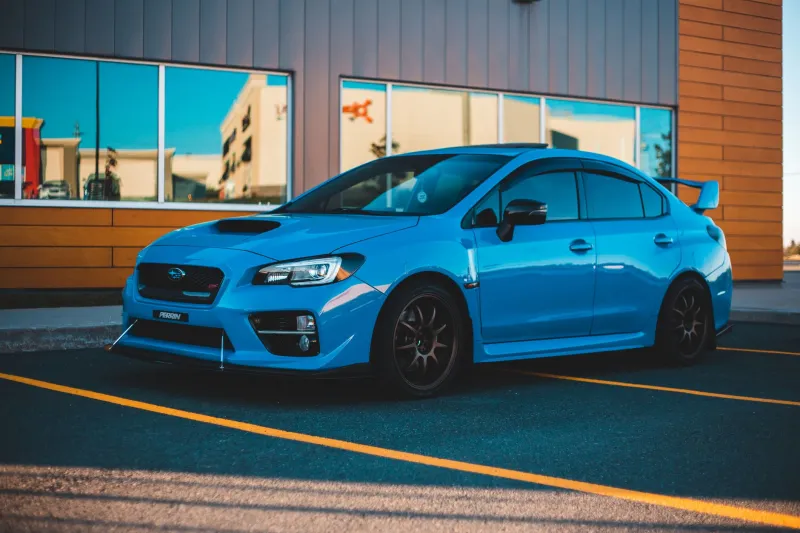
There's a version of this hobby where every dollar you spend has to be visible from twenty feet away. Wide-body kit, massive wheels, a wing that could double as patio furniture. And look — nobody's here to tell you that stuff isn't fun, because it absolutely is. But there's another version of this hobby that's quieter, more calculated, and frankly more dangerous on the road. That's the sleeper path. And deciding which direction your mod budget goes is one of the most honest conversations you'll ever have with yourself as a builder.
So let's have it.
What Are You Actually Buying When You Mod Your Car?
Every purchase you make for your build is doing one of two things: it's either making the car faster, more capable, and more reliable — or it's making the car look like it does those things. Both are legitimate goals. Seriously. There's no shame in building a show car. But the problem shows up when builders convince themselves that the visual stuff is doing the performance work too.
A set of aggressive-looking wheels with stretched tires and a stanced drop might photograph beautifully. But if those wheels added rotational weight, the tires have no sidewall to absorb road imperfections, and the drop wrecked your suspension geometry? You just paid to go slower and handle worse. That's not a build. That's a very expensive illusion.
Contrast that with someone who spent the same money on a set of forged internals, a proper port and polish, and a custom tune. Their car looks completely stock. And it will absolutely walk yours in a straight line before you've finished noticing it.
The Internal Engine Argument
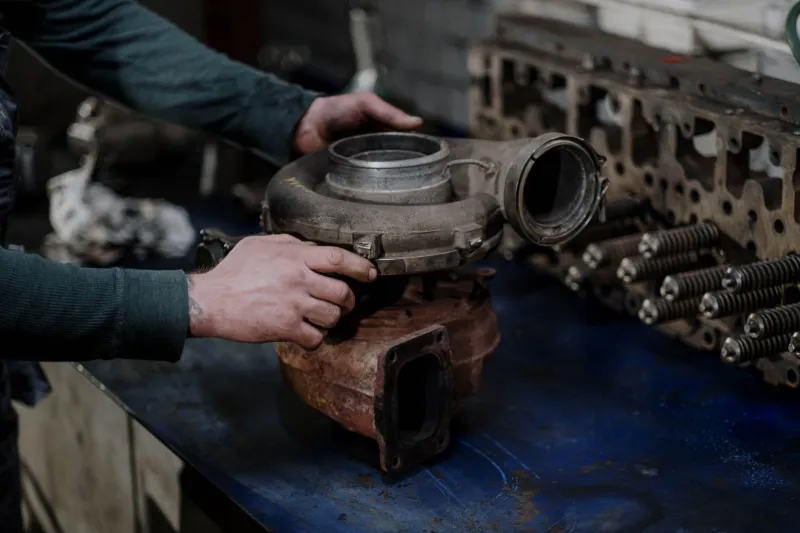
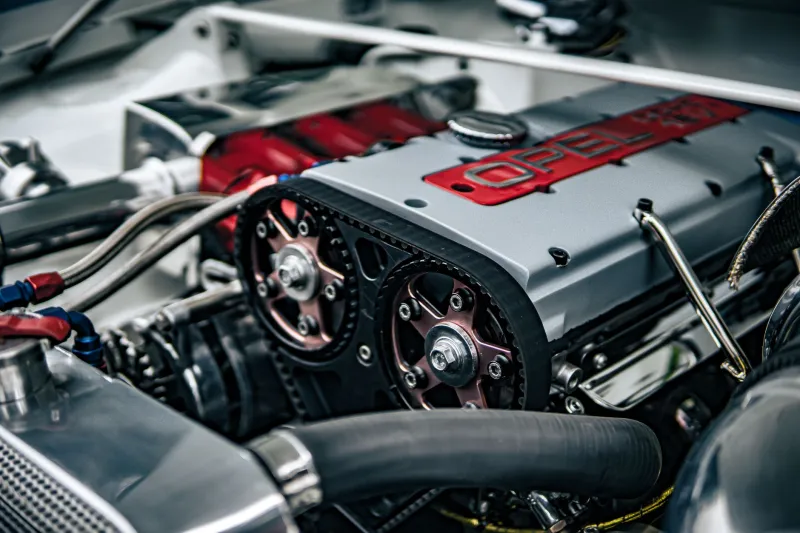
If you want to talk about money that disappears into a build without leaving a single visible trace, internal engine work is the gold standard. Forged pistons, stronger connecting rods, a balanced crankshaft, better head gaskets — none of this shows up in a photo. Your friends won't notice it at a meetup. But your engine will notice it every single time you push past the power levels your stock internals were never designed to handle.
This matters especially if you're running forced induction or planning to. A lot of builders bolt on a turbo or supercharger first and cross their fingers that the stock bottom end holds together. Sometimes it does. Often it doesn't — and then you're doing a full engine rebuild anyway, except now you're doing it under pressure, on a blown motor, probably spending more than if you'd just done it right the first time.
Investing in internals before you push the power is boring in the best possible way. It's the kind of boring that means your car is still running strong two years from now while other builds are sitting on engine stands.
Suspension Geometry: The Performance Upgrade That Looks Like Nothing
Here's one that genuinely frustrates us to see overlooked: proper suspension geometry work. Not just a basic alignment — we're talking about understanding your camber curves, your caster settings, your roll center, and how all of that interacts when you're actually pushing the car through corners.
A set of adjustable control arms, a quality alignment on a four-wheel alignment rack with a technician who actually understands performance setups, and maybe some upgraded bushings — this combination can transform how a car feels and behaves at the limit. It won't show up in any photo. Nobody's going to stop you at a car show to compliment your caster angle. But get on a canyon road or an autocross course, and you'll feel exactly where that money went.
This is the kind of upgrade that makes your car work with you instead of fighting you. And that's worth more in real driving than almost any bolt-on aesthetic piece you could buy.
Electrical and Fueling: The Hidden Foundation
Wiring upgrades, a high-flow fuel pump, better injectors, a solid ground kit — this stuff is deeply unsexy and completely essential. If your fuel system can't keep up with demand under hard acceleration, it doesn't matter what else you've done. The car will fall flat, run lean, and potentially damage itself trying to perform beyond what the fueling can support.
Same goes for your electrical system. If you're running upgraded ignition components, a standalone ECU, or high-draw accessories and your wiring can't handle the load cleanly, you're building on a shaky foundation. These are the upgrades that make everything else work correctly — and they are absolutely invisible to anyone who isn't pulling your fuse box apart.
So When Does the Visible Stuff Make Sense?
Here's the honest answer: when the functional stuff is already handled.
There's nothing wrong with a great set of wheels — especially lightweight forged ones that actually reduce unsprung weight and help your suspension do its job. There's nothing wrong with an aggressive body kit if it's functional aero that's been properly designed for your platform. And there's nothing wrong with wanting your car to look as good as it goes.
The issue is sequencing. Builders who chase aesthetics first and performance second end up with cars that look incredible and drive like stock — or worse, like a worse version of stock because the visual mods actually compromised the handling or added weight.
Builders who go performance first end up with something different: a car that surprises people. A car that looks like it has no business being as fast as it is. And honestly? That's one of the most satisfying things you can experience in this hobby.
The Ego Check
Let's be real for a second. A big reason the visible stuff sells so well is because it gets immediate feedback. Post a photo of your new widebody, your new wheels, your new wing — the likes roll in. Post a photo of your freshly rebuilt bottom end and people scroll past. The social reward isn't there for the invisible work.
But social media validation and actual driving performance are two completely different currencies. And at some point, every serious builder has to decide which one they're actually optimizing for.
That's not a judgment. It's just a question worth sitting with before you hit checkout on your next purchase. Is this making my car better, or is this making my car look better? Both have value — but only one of them is going to show up when you're wide open at the top of third gear.
Build for the Road, Not the Feed
The sleeper approach isn't for everyone. Some people genuinely love building show cars, and that's a completely legitimate corner of this culture. But if your goal is performance — real, measurable, feel-it-in-your-chest performance — then some of your best investments are going to be the ones nobody ever notices.
Feed the internals. Sort the geometry. Tighten up the fueling and the electrics. Get a proper tune that actually matches what you've built. Do all of that first, and then talk about what goes on the outside.
The cars that are truly fast are rarely the ones that look the loudest. And that's exactly what makes them dangerous.