Built, Not Branded: The Art of Running Serious Power Without Anyone Knowing About It
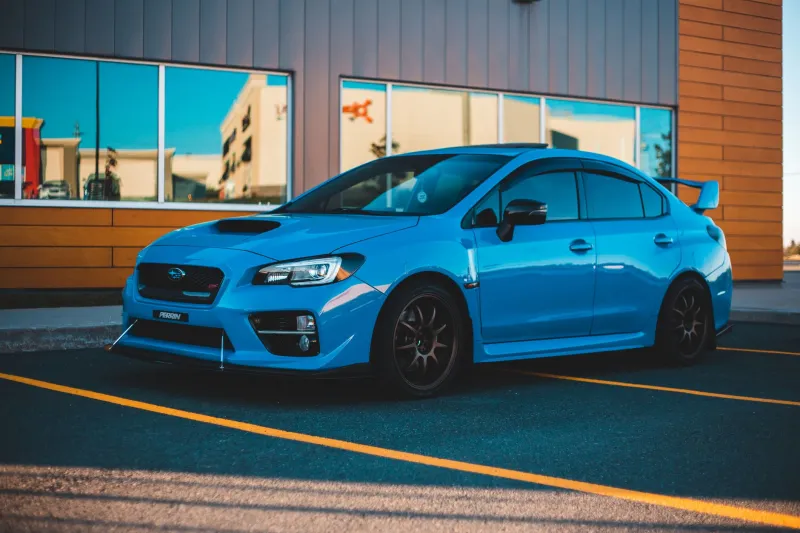
There's a certain kind of satisfaction that comes from pulling up to a light in what looks like a grandma's sedan and absolutely walking something with a wing the size of a dining room table. No stickers. No exhaust tip the diameter of a soup can. No aggressive stance screaming "please look at me." Just a completely forgettable car that happens to be hiding something genuinely nasty under the hood.
That's the sleeper mentality, and honestly? It might be one of the smartest approaches to building a performance car that most enthusiasts never seriously consider.
Let's break down why keeping it quiet might be the best upgrade decision you ever make.
The Insurance Game Is Real
Here's something the build community doesn't talk about nearly enough: your insurance company is not your friend when it comes to modifications. Most standard auto policies have language buried in the fine print that allows them to deny or reduce claims if undisclosed modifications contributed to an accident or mechanical failure. Add a turbo kit, a big cam, and some sticky rubber, and suddenly you're in murky territory.
A sleeper setup — one that focuses on internal and mechanical upgrades over cosmetic ones — gives you a much cleaner profile. There's a meaningful difference between swapping cams and porting heads versus bolting on a massive intercooler that's visible the moment someone pops your hood at a traffic stop. Not every modification is created equal in the eyes of an adjuster, and keeping your build visually indistinct from stock goes a long way toward avoiding uncomfortable conversations.
This isn't legal advice, and you should absolutely talk to your insurer about any significant changes to your vehicle. But it's worth understanding that the flashier your build looks, the more attention it draws — including the kind that costs you money when things go sideways.
Cops Notice What Stands Out
Law enforcement is trained to identify vehicles that look like they're modified for speed. Aftermarket body kits, lowered suspension, massive wheels, loud exhausts — these are visual and auditory cues that put you on the radar before you've done a single thing wrong. It's profiling, and it's absolutely happening.
A sleeper sidesteps this entirely. When your car looks like it belongs in a mall parking lot, you get the benefit of the doubt that stock vehicles enjoy by default. You can run serious power and still blend into traffic because nothing about your car screams "pull me over."
This is especially relevant if you're daily driving your build — which most of us are, let's be honest. A car you drive every day needs to exist in the real world, and the real world includes speed traps, traffic enforcement, and the general attention that comes with looking like you're trying to be fast.
Stealth Tuning: What Stays Hidden
The good news is that most of the modifications that actually move the needle on performance are invisible to the naked eye anyway. That's the foundation of smart sleeper building.
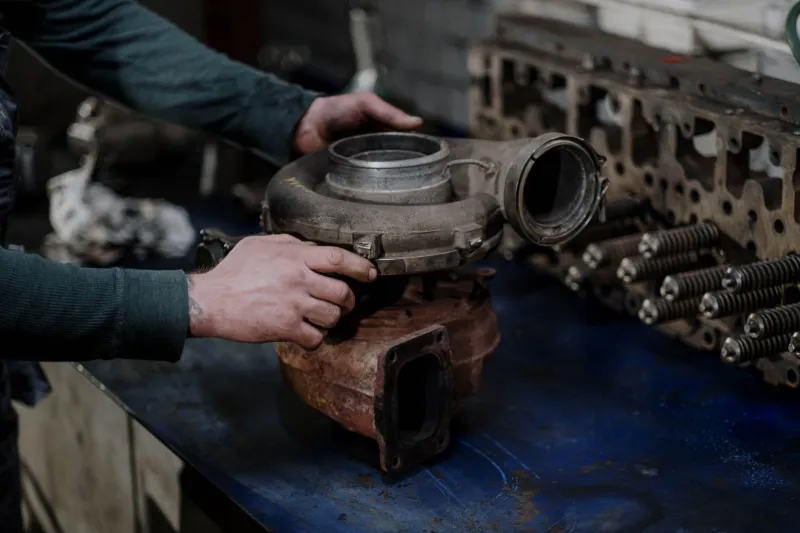
Engine internals — forged pistons, stronger connecting rods, ported heads, aggressive camshaft profiles — none of this is visible without pulling the engine apart. You can build a bottom end that supports significant boost and nobody at a gas station would ever know.
ECU tuning is completely invisible. A proper tune from a reputable tuner can unlock substantial power from an otherwise stock-looking engine bay. Pair it with supporting fuel system upgrades — bigger injectors, an upgraded fuel pump — and you've got a serious foundation that photographs like a showroom car.
Transmission and drivetrain upgrades — short-throw shifters aside — are largely hidden. Stronger clutch packs, upgraded differentials, reinforced axles. All of it lives underneath the car where nobody's looking.
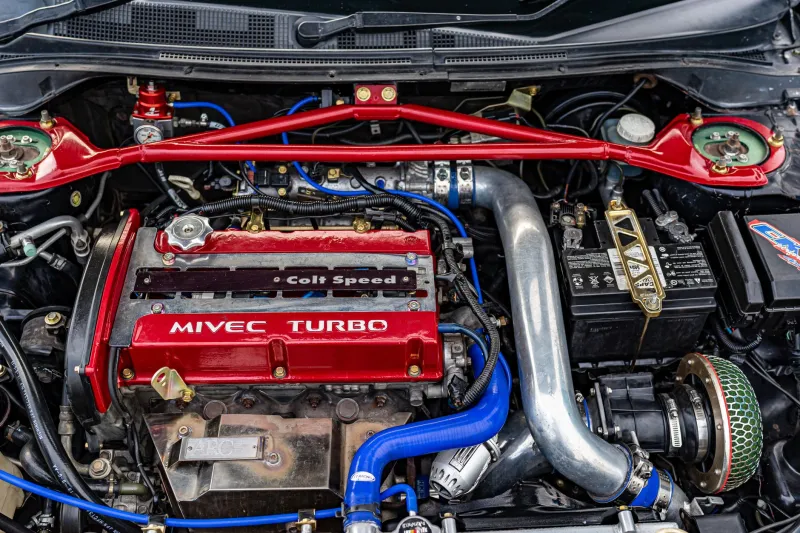
Intake and exhaust are where stealth builders have to make some choices. A cold air intake is often visible under the hood, but plenty of short ram setups tuck away cleanly. On the exhaust side, you can run a high-flow catback that's performance-oriented without being obnoxious — tone it down to something that sounds healthy rather than theatrical.
The goal is a car that makes a skeptic look under the hood and see something close to stock. Save the wild engine bay show for someone else's build thread.
The Psychological Edge
There's something to be said for the element of surprise that sleeper builds carry, and it goes beyond street credibility. When nobody knows what your car is capable of, you control the narrative entirely. You decide when to show your hand. You decide who gets to find out the hard way.
This isn't just about ego — though let's be real, some of it definitely is. It's also about building confidence in your setup through real-world performance rather than spec-sheet bragging. A sleeper that consistently delivers at the track or on the highway earns its reputation quietly, and that reputation tends to stick.
There's also a very practical element here: you're less of a target. Whether that's other enthusiasts trying to race you at every opportunity, would-be thieves who assume your car is worth more than it looks, or just the general social friction that comes with driving something that draws constant attention — keeping a low profile reduces all of it.
Where Sleeper Builds Can Go Wrong
The sleeper philosophy isn't without its pitfalls. The biggest trap is treating the visual restraint as an excuse to skip supporting modifications. You can't pour 400 whp through a stock transmission and stock brakes and expect things to hold together. The whole point of a sleeper is that it's actually built — the restraint is cosmetic, not mechanical.
Brakes, suspension, tires — these absolutely need to match the power output. You just don't need to announce them with a big wing and aggressive fitment. A properly spec'd set of performance tires on stock-looking wheels, a suspension setup dialed in for handling without slamming the car to the ground, and a brake upgrade that stops you without squealing at every intersection — this is the sleeper approach applied across the whole build.
Also worth noting: reliability is a feature, not an afterthought. A sleeper that spends half its time on a lift isn't serving its purpose. The best sleeper builds are ones that start every morning, drive to work, and then absolutely embarrass something on the weekend without missing a beat.
The Bottom Line
Building a sleeper isn't about hiding your work — it's about letting your work speak for itself at the right moment. It's a smarter way to navigate insurance, law enforcement, and daily driving while still building something genuinely capable. The mods that matter most are the ones you can't see, and there's a whole philosophy of performance building built around that idea.
So next time you're tempted to add another visual cue that screams "I've been modded," ask yourself who you're actually building for. If the answer is the guy at the stoplight — fine, own that. But if the answer is the clock at the end of the quarter mile, maybe keep it quiet.
The fastest cars in the room are usually the ones you never saw coming.