Premium or Regular? What the Octane Number on the Pump Actually Means for Your Build
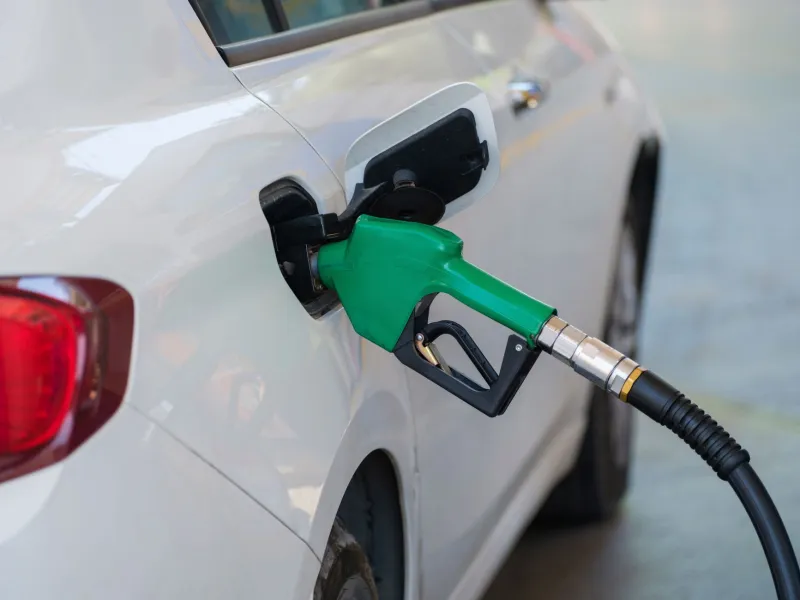
Walk into any gas station in America and you've got three choices staring back at you: 87, 89, and 93 (or 91 if you're out West — thanks, altitude). Most people grab whatever their wallet tells them to and roll out. But if you've got a modified car — or you're building one — that three-second decision at the pump matters a lot more than you probably think.
Octane is one of those topics where half the internet is confidently wrong. So let's break it down the right way.
What Octane Actually Measures (It's Not Energy)
Here's where a lot of people go sideways. Higher octane fuel does not contain more energy. It is not "better gasoline" in a general sense. What it does is resist detonation — or knock — better than lower-octane fuel under high heat and pressure.
Knock happens when the air-fuel mixture in your cylinder ignites before the spark plug fires. That uncontrolled combustion creates pressure spikes that hammer your pistons, rod bearings, and cylinder walls. Do it enough, and you're shopping for an engine. Octane's job is to keep that from happening by allowing the fuel to survive higher compression and cylinder temperatures without going off early.
So if your engine isn't producing the kind of heat and pressure that causes knock, premium fuel genuinely does nothing for you. You're just paying more for the same result.
Stock Engines vs. Modified Ones: A Completely Different Conversation
The reason this matters so much for the MotorUps crowd is that modifications change your engine's operating conditions — sometimes dramatically.
A stock economy car running a low compression ratio? Yeah, 87 is probably fine, and the owner's manual will tell you so. But the moment you start modifying, that calculus shifts fast.
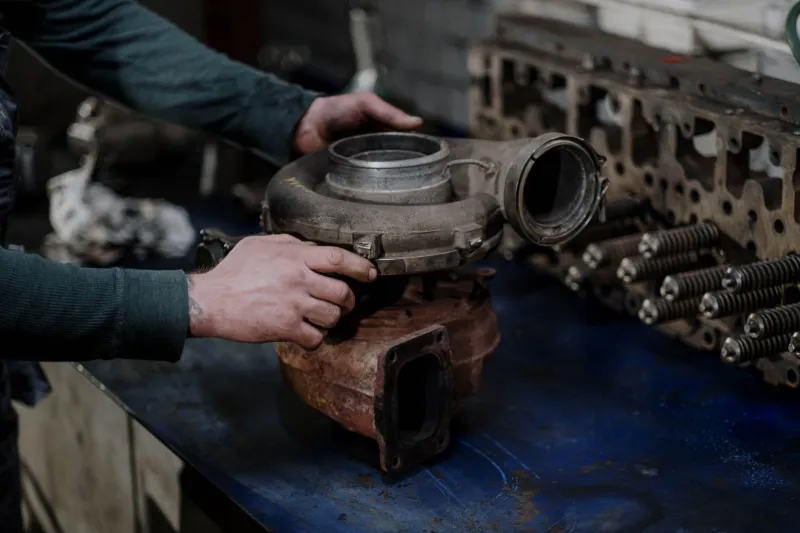
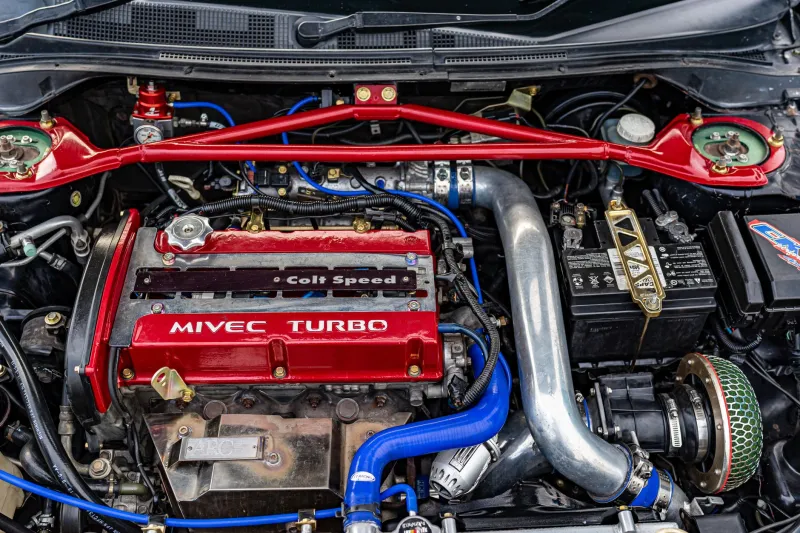
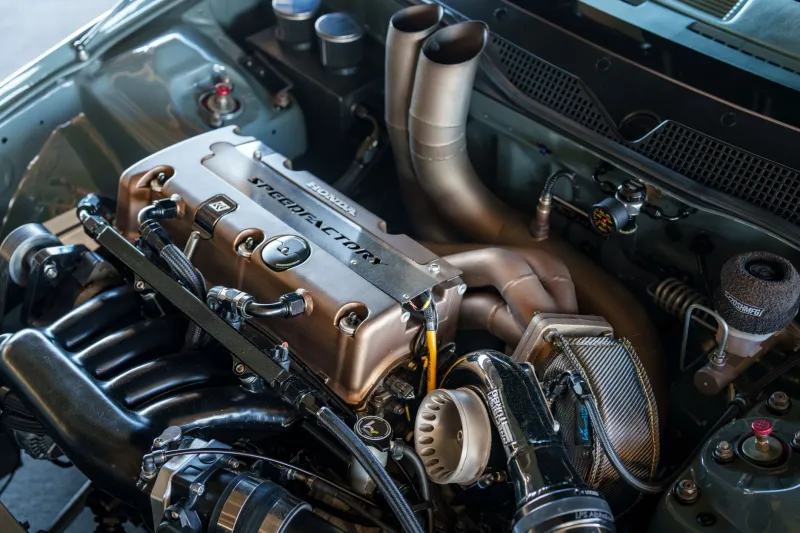
Forced induction is the big one. Turbos and superchargers force more air into the cylinder, which raises cylinder pressure. More pressure means more heat, and more heat means a much higher risk of knock. If you've bolted on a turbo kit or a blower and you're still pumping 87 into the tank, you're leaving power on the table at best and damaging hardware at worst.
High-compression builds tell the same story. Bump your compression ratio from a stock 9.5:1 to 11:1 or higher, and your engine needs fuel that can handle the increased squeeze without detonating early. Running low-octane in a high-compression motor isn't brave, it's expensive.
Aggressive cam timing and ported heads can also push your engine into territory where it demands better fuel, especially under load at high RPM. Your engine builder should be giving you a clear octane recommendation — if they're not, ask.
Your ECU Knows You're Cheap (And It's Compensating)
Modern engines have knock sensors. That's either reassuring or terrifying, depending on how you look at it.
Here's how it works: when the ECU detects knock, it pulls ignition timing — it fires the spark plug later in the combustion cycle to reduce cylinder pressure. This prevents damage, but it also kills power. Your engine is essentially detuning itself in real time every time you feed it fuel it can't handle.
If you've got a stock tune, your ECU has a built-in range for timing correction. It'll compensate and you might not even notice — but back-to-back dyno pulls on 87 vs. 93 in a car that calls for premium will show you the difference clearly.
If you've got a custom tune — which you should if you're running any serious bolt-ons — this gets even more critical. A good tuner will build your map around a specific octane. They're targeting a precise ignition advance curve that's calibrated to squeeze every bit of power out of your setup. Feed it lower-octane gas and the ECU either knocks or pulls timing. Either way, you're not making the power your tune promised.
Running a flex fuel setup? Now you're playing a different game entirely. E85 has an effective octane rating in the 100-105 range, and a flex fuel tune takes full advantage of that. The power gains are real, but you need the fuel system hardware and the right tune to support it. Don't half-step this one.
So When Is Premium Actually a Waste of Money?
Fair question, and the answer is: when your engine genuinely doesn't need it.
If your car's manufacturer spec says 87 octane and you haven't touched the compression ratio, the cam, or added boost, you're probably fine on regular. Your knock sensors will handle the occasional variance in fuel quality, and you won't see any measurable power difference from paying extra for premium.
There's also a regional quality factor worth mentioning. Top-tier gasoline brands — Shell, Chevron, Mobil, and a handful of others — have detergent additive packages that help keep injectors and intake valves clean. Whether you run 87 or 93, buying from a top-tier station is worth it over the long haul. Your injectors will thank you.
Reading Your Car's Actual Needs
Not sure what your setup actually requires? Here's a quick framework:
- Check the tune. If you have a custom ECU tune, your tuner should have specified the minimum octane the map was built around. This is non-negotiable.
- Check compression. If you're above 10.5:1, start at 91 minimum and talk to your builder about whether 93 makes more sense.
- Check boost pressure. Running more than 8-10 psi? Step up to 93. Running aggressive boost on a built motor? Seriously consider E85 or race fuel blending.
- Check your knock data. If you have a wideband and a data logger, pull logs and look for timing corrections. If your ECU is constantly pulling 3-4 degrees of timing, your fuel isn't cutting it.
- Check your symptoms. Pinging, hesitation under hard acceleration, or a noticeable power drop on hot days can all point to knock-related timing pulls.
The Bottom Line
Octane isn't a status symbol and it's not a scam — it's a spec. Match it to your engine's actual needs and you're golden. Ignore it and you're either wasting money or quietly beating up hardware that cost you serious coin to build.
For most modified cars — especially anything with forced induction or a custom tune — 93 octane isn't optional. It's part of the build. Budget for it the same way you budget for oil changes and track days. If the cost of premium is a dealbreaker, that's a real conversation to have before you start bolting things on, not after your knock sensor has been working overtime for six months.
Your build deserves better than a shortcut at the pump.