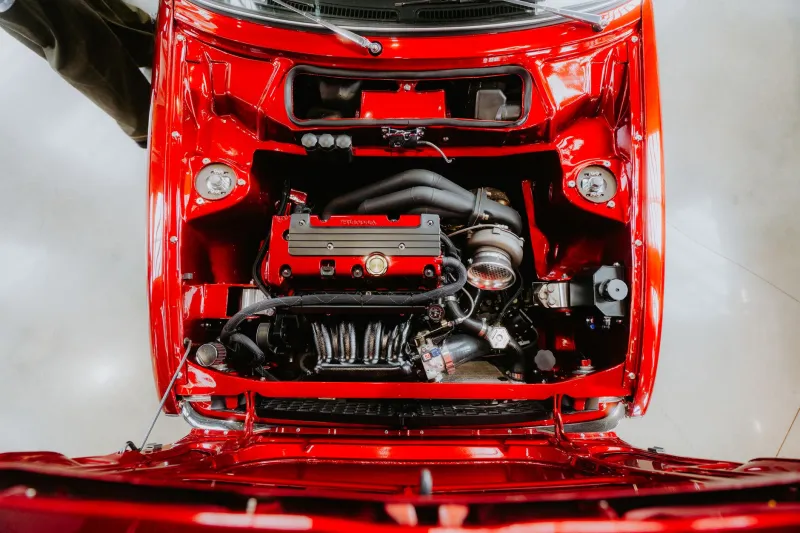
Forced Induction First, Everything Else Second? Why That Logic Is Wrecking Your Build
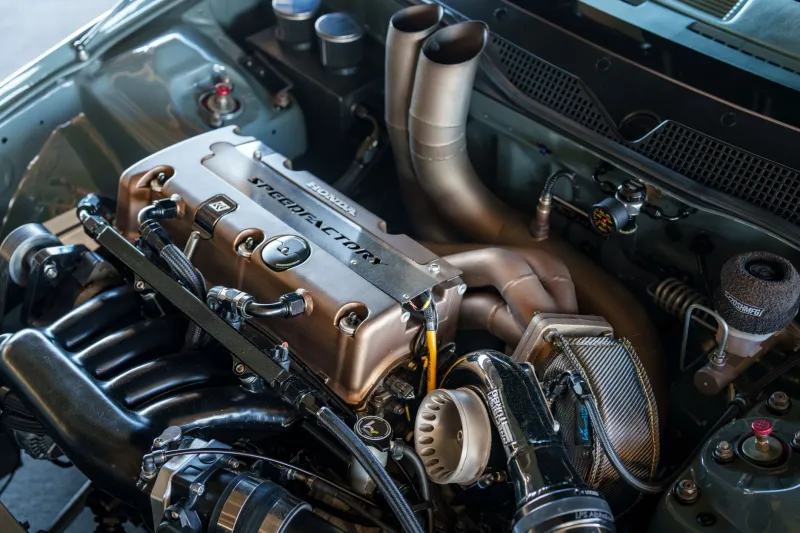
There's a version of this story that plays out in garages and shop bays across the country every single weekend. Guy finds a killer deal on a used turbo kit. He bolts it up, gets a rough tune slapped on it, and for about three weeks, life is incredible. Then something goes sideways — a lean condition, heat soak that won't quit, a detonation event that turns a healthy engine into an expensive paperweight.
He didn't buy a bad turbo. He didn't even buy a bad tune. What he did was install a power adder on top of a support system that was never designed to handle it. The sequence was wrong before he ever touched a wrench.
This is the modification order problem that rarely gets talked about in the same breath as "do your intake before your exhaust" advice. It goes deeper than that. It's about understanding which systems have to be capable before you ask your engine to make significantly more power — and recognizing that forced induction doesn't just add power, it multiplies demand on every other system simultaneously.
Why Forced Induction Changes Everything at Once
A naturally aspirated engine running at its stock power level is a balanced ecosystem. The fuel system delivers what the injectors need. The cooling system handles the thermal load. The ignition fires reliably at the timing the ECU expects. Everything is sized for that specific output.
When you add a turbocharger or supercharger, you're not just adding power — you're adding heat, fuel demand, and ignition stress all at the same time, and you're doing it across the entire RPM range. Boost doesn't politely wait for your fuel system to catch up. It demands more fuel right now, at higher cylinder pressures, with intake charge temperatures that are already elevated from compression.
If your fuel injectors are already at 80% duty cycle on a stock engine running in warm weather, a turbo kit is going to push them past their limit faster than you can datalog the problem. If your cooling system is already borderline adequate on a hot summer day at the track, forced induction is going to expose that margin immediately.
The boost doesn't care that you haven't upgraded your injectors yet.
The Fuel System Problem Most Builders Underestimate
Here's where the sequencing issue gets real. A lot of enthusiasts think fuel system upgrades are something you do after you've confirmed the turbo is making power. The logic sounds reasonable — see what the setup needs, then address it.
The problem is that running a forced induction setup lean, even briefly, causes damage that compounds. Lean combustion events run hotter. They stress pistons, rings, and valves in ways that don't always show up immediately. You might not see a catastrophic failure on day one. You'll see it six months later when compression starts dropping and you're wondering why the engine feels tired.
The right sequence puts fuel system capacity ahead of the power adder. That means knowing your target power level before you buy the turbo, calculating the injector duty cycle and fuel pump flow rate you'll need at that power level, and having those components installed and validated before the boost ever comes online. Higher-flow injectors, an upgraded fuel pump, and a return-style fuel system if your platform needs it — these aren't afterthoughts. They're prerequisites.
Cooling Capacity Isn't a Luxury Item
Forced induction engines run hotter. That's not a controversial statement — it's physics. Compressing air generates heat, combustion at higher cylinder pressures generates more heat, and if you're also asking the engine to make more power for longer stretches (say, on a highway pull or a track day), your cooling system is going to be working overtime.
A stock radiator on a stock engine has margin built in. That margin disappears quickly when you add boost. And unlike a lean condition, which can cause immediate damage, thermal stress tends to be a slow killer. Head gaskets. Coolant degradation. Warped components. The engine that overheated three times last summer starts burning oil the following spring, and nobody connects the dots.
Upgrading your cooling capacity before you add forced induction isn't just smart — it's the kind of thing that determines whether your build is still alive in two years. A higher-capacity radiator, an upgraded thermostat, improved coolant flow, and if your setup warrants it, an intercooler that's actually sized for your power target rather than the cheapest option on the shelf. Get the thermal management dialed in first.
Ignition Systems: The Overlooked Weak Link
High cylinder pressure is hard on spark plugs and ignition components. Under boost, the ionization voltage required to fire a plug increases — which means that if your coils are already aging or your plug gap is set for naturally aspirated operation, you're going to experience misfires under load that you won't always catch on a street drive.
A misfire under boost isn't just a performance issue. It's unburned fuel entering the exhaust, potential backfire events, and combustion instability that can cause knock. Upgraded coils, fresh plugs gapped correctly for your boost level, and ignition wiring that can handle the electrical demands of a modified setup should all be sorted out before you're making serious boost.
This is one of those upgrades that costs relatively little compared to everything else in a build, but gets skipped constantly because it doesn't feel exciting. Nobody posts their new ignition coils on Instagram. But they're one of the reasons some builds stay reliable and others don't.
Building the Right Foundation Before You Go Big
The sequence that actually works looks something like this: establish your power target first, then work backward from that number to understand what each support system needs to handle it. Fuel system, cooling, ignition — all of these get upgraded to meet the demands of your target output before the power adder goes on. Then the tune gets written for a system that's actually ready for it.
It's less exciting than bolting on a turbo and seeing what happens. It requires more planning and, honestly, more patience than most enthusiasts want to exercise. But it's the difference between a build that makes power reliably for years and one that becomes a cautionary tale in an online forum.
The enthusiasts who've been doing this long enough have usually learned this lesson the hard way. The good news is you don't have to. The sequence isn't a secret — it's just the kind of thing that gets skipped when you're excited about making power and the turbo is sitting right there in the garage.
Don't let the parts lead the build. You lead the build. Upgrade everything in the right order, and the numbers will follow.