What Nobody Puts in the Fine Print: The Real Cost of Going Fast
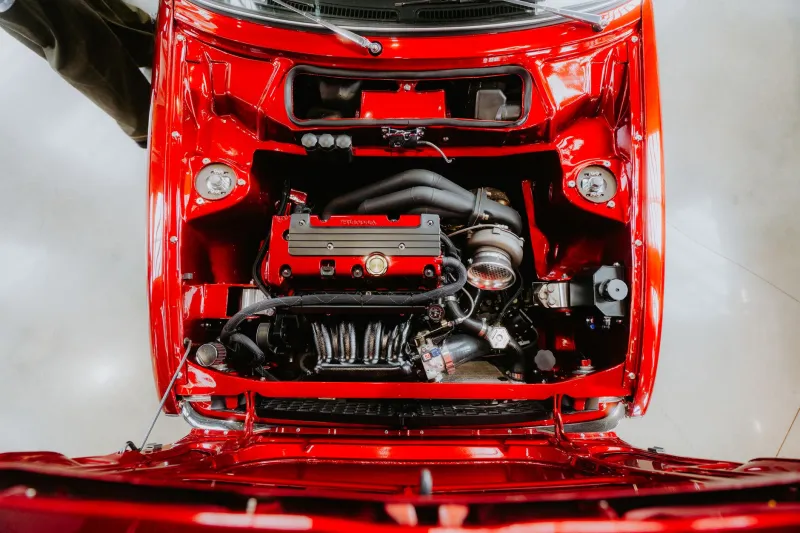
There's a moment every enthusiast knows. You've just bolted on something new — a tune, a turbo upgrade, maybe a set of cams — and the car feels alive in a way it never did from the factory. That feeling is real. The performance gain is real. But somewhere in the background, a clock starts ticking that most people don't want to think about.
Call it the reliability tax. It's the invisible cost that comes with every meaningful modification, and it doesn't show up on any dyno sheet.
The Warranty Conversation Nobody Wants to Have
Let's get the obvious one out of the way first. If your car is still under a factory powertrain warranty — or you're financing something with an extended service plan — modifications put you in complicated territory fast.
Under the Magnuson-Moss Warranty Act, a dealer can't void your entire warranty just because you've added an aftermarket part. What they can do is deny coverage on any component they can reasonably tie to that modification. Install a tune that bumps boost pressure by 20%, and good luck getting the dealership to cover a rod bearing failure with a straight face.
The practical reality? Once you start modifying, you're self-insuring a bigger portion of your drivetrain than you probably realize. That's not a reason to stay stock — it's a reason to go in with eyes open and money set aside.
Not All Mods Are Created Equal on the Reliability Scale
Here's where it gets nuanced, and where a lot of builders make expensive mistakes. There's a massive difference between modifications that work with your engine's tolerances and ones that push right up against the edge of them.
Intake and exhaust upgrades — cold air intakes, cat-back exhaust systems, headers — are generally low on the reliability risk scale when properly installed. You're not fundamentally changing how the engine manages heat, pressure, or fuel. These parts tend to be durable, and failures are rare outside of cheap offshore components.
Suspension upgrades — coilovers, sway bars, control arms — are similar. Done right, a quality suspension setup can actually outlast factory rubber components. The reliability risk here is mostly about installation quality and alignment. Get those wrong, and you're accelerating tire wear and stressing chassis components faster than stock.
Forced induction and aggressive tunes are a different conversation entirely. When you're adding a supercharger, upgrading a turbo, or pushing a factory turbo with a high-boost tune, you're increasing thermal load, cylinder pressure, and mechanical stress across the entire top end. The components that live in those environments — pistons, rings, head gaskets, bearings — were designed with factory power levels in mind. Every pound of extra boost is a negotiation with those tolerances.
This doesn't mean you shouldn't do it. It means you need to honestly budget for the possibility that something gives way sooner than it would have stock.
Running the Numbers: Cost Per Mile, Modified vs. Stock
Most people think about mods in terms of upfront cost. That's the wrong frame. The smarter question is: what does this modification cost me per mile over the life of this build?
Take a mid-level tune on a turbocharged four-cylinder. Let's say the tune runs $800 installed and adds 60 wheel horsepower. Sounds great. But if that tune shortens the interval before you're looking at a fresh set of spark plugs, a new turbo inlet, and eventually a head gasket replacement — costs that might run $2,500 to $4,000 total — your cost-per-mile math changes pretty quickly depending on how many miles you put on.
Now compare that to a quality set of coilovers at $1,200. Properly set up, those might last 80,000 miles, transform how the car handles, and require nothing more than a damper service somewhere in the middle. The cost-per-mile on that mod is genuinely excellent.
The reliability tax isn't flat across all modifications. It scales with how close you're pushing the engine to its limits.
The Mods Worth the Trade-Off (and the Ones That Aren't)
After running through the math, some upgrades consistently come out on the right side of the reliability equation:
- Brake upgrades (pads, rotors, stainless lines): Almost universally worth it. Better braking, longer rotor life with quality parts, and no meaningful increase in mechanical risk elsewhere.
- Suspension geometry corrections: Adjustable control arms, camber plates, alignment specs dialed in properly — these reduce wear on tires and other suspension components, meaning a net positive on reliability.
- Bolt-on intake and exhaust: Low risk, real (if modest) gains, durable parts when you buy quality.
- Fuel system upgrades on a boosted build: If you're already running a tune and added power, proper injectors and a fuel pump aren't optional — they're what keeps the engine from running lean and grenading itself. Spend the money.
On the other side of the ledger:
- Aggressive power adders on high-mileage engines: Adding boost to an engine with 90,000 miles and unknown internal condition is gambling. The reliability tax here can be catastrophic.
- Cheap turbo kits on naturally aspirated platforms: The eBay turbo conversation is one we've had before. The kit might bolt on. What it does to your cooling system, your fuel trims, and your engine internals over 20,000 miles is a different story.
- Tunes without supporting mods: Asking for more power without upgrading the components that support that power is how you end up with a blown head gasket at 60,000 miles.
Building a Modified Car Like a Professional
The builders who keep their cars running hard for years aren't the ones who spend the most. They're the ones who think about the whole system instead of chasing individual numbers.
That means budgeting for maintenance intervals that are shorter than factory when you're running higher stress. It means keeping a contingency fund for the parts that will eventually give out. It means buying quality components from brands with actual engineering behind them, not the cheapest option that fits.
And it means being honest with yourself about what you're building. A weekend track car and a daily driver that happens to be tuned are two completely different propositions. The reliability tax you're willing to pay should match the role the car actually plays in your life.
Go fast. Modify aggressively if that's your thing. Just know what you're signing up for before the bill comes due.


