Every Mod Has a Monthly Payment: The Ongoing Costs Most Builders Never See Coming
Let's be real for a second. You saved up, pulled the trigger on a turbo kit or a set of coilovers, and you felt great about that decision. The install went smooth, the car feels like a different animal, and you're already thinking about what's next. What you probably didn't factor in — what almost nobody does — is that every modification you bolt onto your car comes with an invisible invoice attached to it. Not a one-time invoice. A recurring one.
Call it the maintenance tax. It's the ongoing cost of keeping your build alive, and for most modified cars, it runs somewhere between two and four times what a stock vehicle demands. If you've never sat down and mapped this out, you might be in for a rude awakening the first time your turbocharged daily driver needs a service.
Why Modified Cars Eat Through Maintenance Faster
Stock vehicles are engineered to tolerances that prioritize longevity and predictability. OEM engineers design systems that work together, account for wear rates, and allow for service intervals measured in years, not months. When you start modifying — adding boost, stiffening suspension, pushing more power through drivetrain components — you're introducing stress that the factory never planned for.
Higher combustion temps accelerate oil breakdown. Boosted engines pull harder on seals and gaskets. Stiffer suspension geometry puts more load on bushings and end links. Bigger power means more heat cycling through every fluid in the car. None of this makes your build a bad idea. It just means your maintenance schedule has to keep up.
Forced Induction: The Thirstiest Category on the List
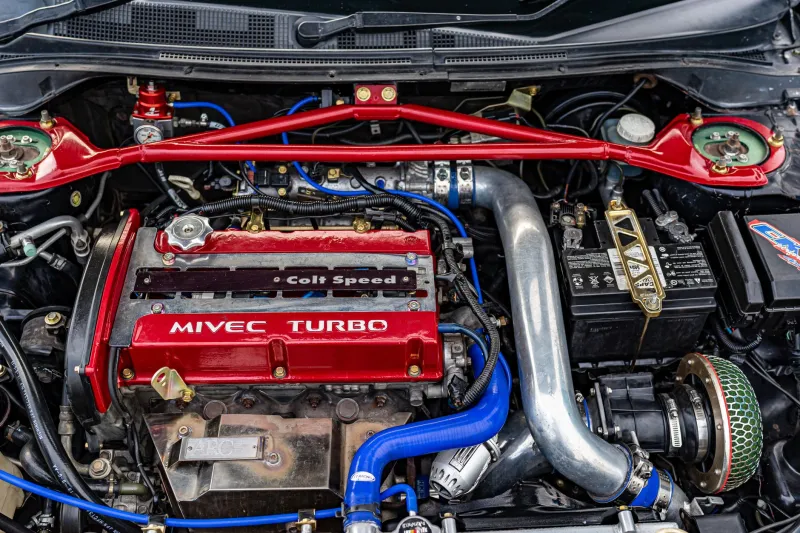
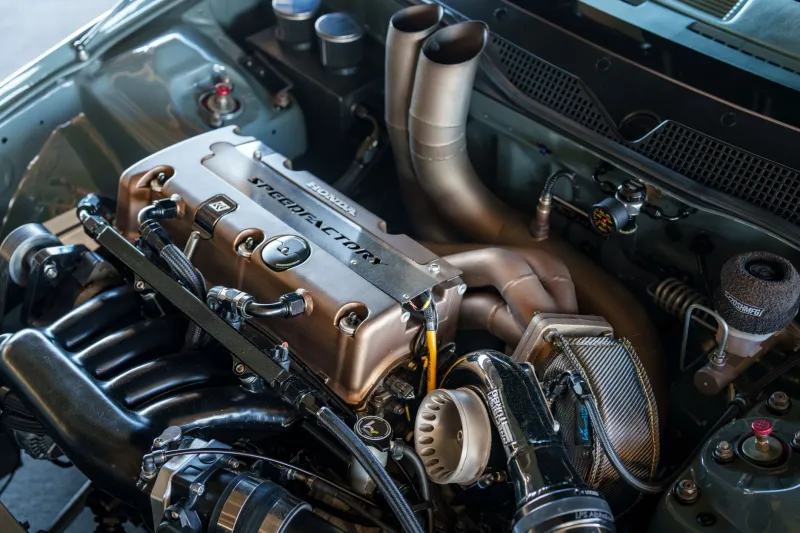
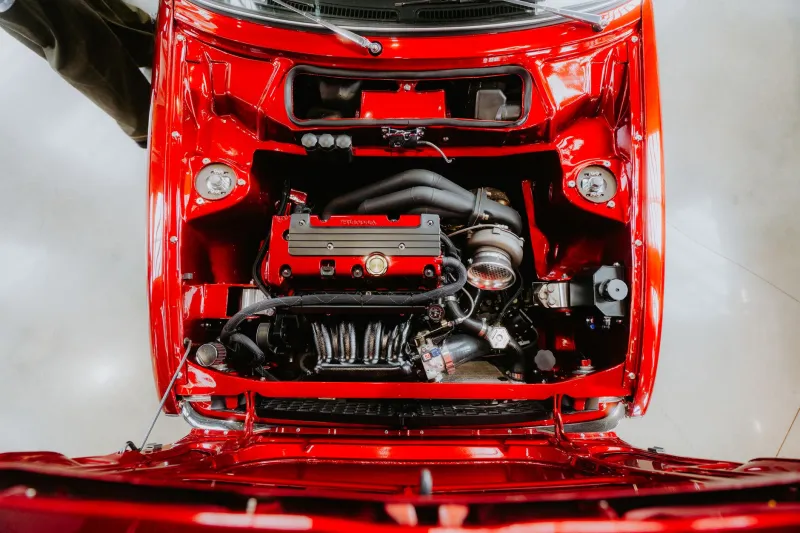
If there's one modification category that generates the most ongoing costs, it's forced induction. Turbos and superchargers both demand more from your engine oil than a naturally aspirated setup ever would.
With a turbo build, oil is the lifeblood of your turbocharger. It lubricates the shaft bearings at temperatures that would cook conventional oil in a hurry. Most serious turbo builders run full synthetic and cut their oil change intervals dramatically — often down to every 3,000 to 4,000 miles instead of the 7,500 or 10,000 mile intervals you might be used to. On a high-quality full synthetic with a quality filter, you're looking at $80 to $120 per change depending on your platform. Do the math at 3,500-mile intervals on a car you drive 15,000 miles a year: that's four or five oil changes annually instead of one or two. The difference adds up to several hundred dollars a year before you even think about anything else.
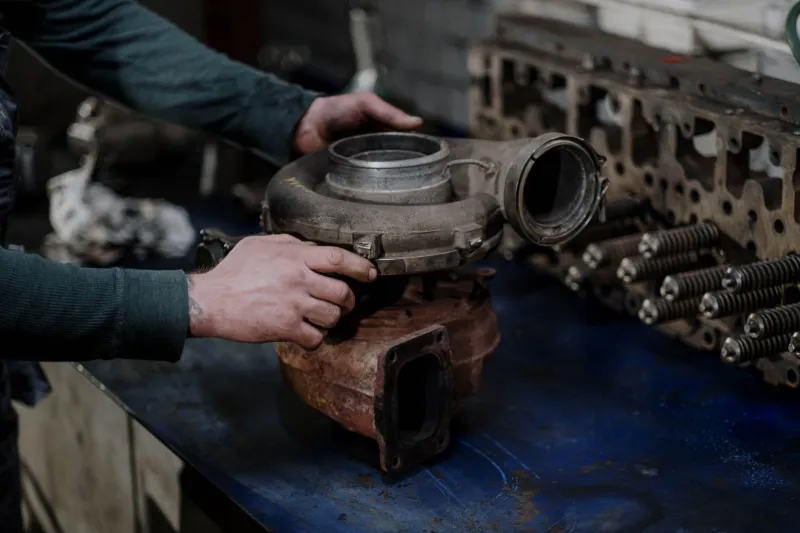
Then there's the turbo itself. Turbos running hard heat cycles will eventually need seals replaced or a full rebuild. Budget $300 to $800 for a rebuild on a mid-range turbo, more if you're running a larger or higher-end unit. A well-maintained turbo might go 80,000 to 100,000 miles before it needs attention — but skip the oil changes and that number drops fast.
Superchargers carry their own costs. Most positive displacement blowers require periodic rotor oil changes — a service many new owners completely forget exists. Expect to service that every 30,000 to 50,000 miles at $50 to $150 depending on the unit. Belts are another line item. A supercharger belt under load will wear faster than a stock accessory belt, and you don't want to find out what happens when it lets go at wide-open throttle.
Engine Builds: You Paid for the Parts, Now Pay for the Upkeep
Built motors — forged internals, big-bore pistons, upgraded valvetrain — are incredible investments in durability and power potential. They're also maintenance-intensive in ways that catch people off guard.
Head gaskets on high-output builds see more thermal stress, meaning you should be inspecting coolant condition more frequently and watching for early signs of combustion gas contamination. Spark plugs in boosted or high-compression applications foul and wear faster — budget for plugs every 15,000 to 20,000 miles instead of the 40,000 to 60,000 mile intervals on a stock car. On a six-cylinder with iridium plugs, that's $80 to $150 per service interval that comes up twice as often.
Coolant flush intervals should also be shortened. The elevated heat cycling in a modified engine degrades coolant additives faster, and degraded coolant starts attacking aluminum components from the inside. A coolant flush runs $50 to $100 at a shop, or less if you DIY — but it needs to happen more often than your owner's manual ever anticipated.
Suspension Upgrades: The Underrated Maintenance Hog
People focus so much on what suspension upgrades do for handling that they forget what those upgrades demand in return. Coilovers, upgraded sway bars, and performance bushings all have service requirements that stock suspension simply doesn't.
Coilover threads need cleaning and lubrication to prevent corrosion and binding — especially in any state where roads get salted in winter. Neglect this and you'll be fighting seized perches when you try to adjust ride height later. Shock oil in performance dampers degrades under hard use, and most quality coilover manufacturers recommend a rebuild or fluid replacement every 50,000 miles or two to three years of track use. Rebuilds typically run $150 to $300 per corner depending on the brand.
Polyurethane bushings, popular in performance suspension setups, require periodic greasing to prevent squeaking and accelerated wear. It's a cheap service if you stay on top of it — but ignore it and you're replacing bushings far sooner than you should be.
Building a Real Maintenance Budget for Your Build
Here's the practical takeaway: before you commit to a modification, add a maintenance multiplier to your cost projection. A rough but honest framework:
- Naturally aspirated bolt-ons (intake, exhaust, tune): Expect maintenance costs to run about 1.5x stock. Mostly more frequent fluid changes and slightly accelerated wear on consumables.
- Forced induction additions: Budget 2x to 3x your stock maintenance costs annually. Oil changes, belt inspections, intercooler checks, and boost system seals all add up.
- Full engine builds: Plan for 2.5x to 3.5x, accounting for more frequent plug changes, closer coolant monitoring, and gasket inspections.
- Suspension overhauls: Add $300 to $600 annually for bushing maintenance, alignment checks after every track day, and eventual damper rebuilds.
The builders who stay in the game long-term aren't necessarily the ones with the biggest budgets. They're the ones who planned for these costs from the beginning and didn't get blindsided six months after the install.
The Smartest Thing You Can Do Before You Buy
Before you click add-to-cart on your next major upgrade, spend twenty minutes building out a maintenance projection. Figure out what service intervals change, what new consumables your modification introduces, and what the rebuild or replacement cost looks like when components eventually wear out. Then decide if the performance gain justifies not just the purchase price, but the ongoing commitment.
The cars that stay fast, stay reliable, and stay on the road are the ones that got maintained like the modified machines they are — not serviced on a stock schedule while running anything but a stock setup. Upgrade smart, budget smarter, and your build will reward you for a long time.