When Fast Becomes a Problem: The Hidden Consequences of Building More Car Than Your Streets Can Handle
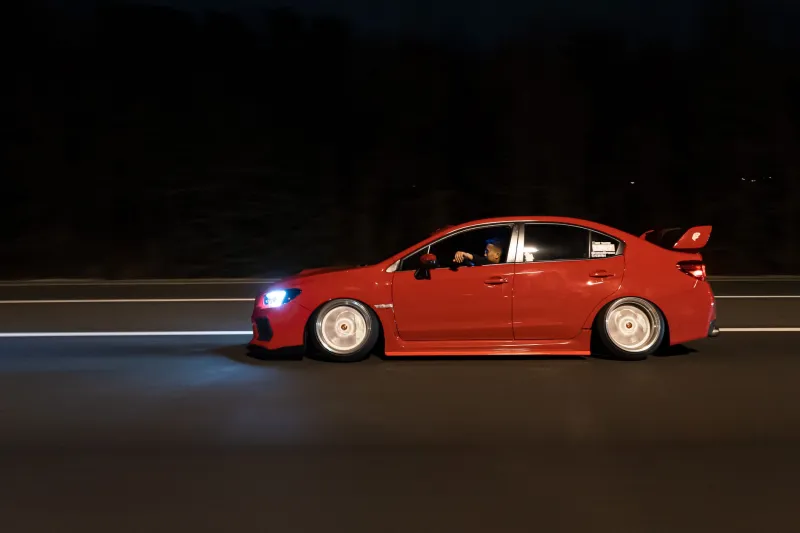
There's a specific kind of satisfaction that comes with driving something that looks completely unremarkable and going absolutely stupid fast. The grocery-getter that pulls on sports cars at stoplights. The beat-up sedan that runs mid-10s at the track on weekends. The sleeper fantasy is real, and for a lot of builders, it's the whole point.
But here's the thing nobody really talks about in those YouTube comment sections full of "goals" and fire emojis: at some point, your build can get so capable that it stops being a fun secret and starts becoming an actual problem. Not just for you — for everyone around you.
This isn't a lecture. This is a practical conversation about what happens when your performance upgrades push past the point your real-world driving environment can actually accommodate.
The Moment Your Build Outgrows Your Streets
Most enthusiasts can pinpoint the exact moment things shifted. Maybe it was the first time you scared yourself merging onto the highway. Maybe it was when a friend riding shotgun grabbed the door handle and didn't say a word for the next five miles. Or maybe it was when you realized you were holding back so hard in normal traffic that the whole point of the build felt lost.
There's a guy in the Denver area — well-known in local car circles — who built a naturally aspirated Honda that eventually got a turbo kit, upgraded fuel system, and a proper tune. Somewhere around 450 wheel horsepower, he stopped enjoying driving it to work. Not because the car wasn't incredible. Because the gap between what the car could do and what he was legally and safely able to do on surface streets had become a source of constant frustration rather than fun.
That's the sleeper's dilemma in its purest form. You built something genuinely fast, and now you have nowhere to actually use it.
Law Enforcement Doesn't Need to See Your Mods to Notice Your Car
Here's a reality check that a lot of stealth builders overlook: cops don't have to pop your hood to know something's up. Behavior gives it away before hardware ever does.
When your car launches noticeably harder than traffic expects, when you're constantly modulating throttle to avoid lighting up the tires in a 35 mph zone, when your exhaust note — even a relatively quiet one — has a different character at partial throttle than a stock car produces, attentive officers pick up on it. And in most states, that's enough to start a conversation you really don't want to have.
Beyond just getting pulled over, there's the matter of what happens when they do. Depending on your state, modifications that affect emissions compliance, safety systems, or noise ordinances can result in fix-it tickets at minimum and impoundment in more aggressive jurisdictions. California, for instance, has some of the most thorough BAR referee inspection processes in the country. Texas and Florida may be more relaxed, but local municipalities can add their own layer of enforcement that catches builders off guard.
The sleeper aesthetic protects you from casual attention. It doesn't protect you from a motivated traffic officer who's seen a thousand modified cars and knows exactly what controlled aggression behind the wheel looks like.
Your Insurance Company Is Not Your Friend Here
This one deserves its own conversation because it genuinely blindsides people.
Most standard auto insurance policies have language buried in them that excludes coverage for vehicles being used in racing or competitive driving events — and some policies go further, excluding coverage for vehicles that have been modified beyond factory specifications in ways that increase performance. The definitions get murky fast, and that murkiness almost always resolves in the insurer's favor when there's a claim involved.
If you're running serious power on a stock-looking car and you get into an accident — even one that's clearly not your fault — and the other party's attorney or your own insurance adjuster starts digging, those mods become a liability. Literally. There are documented cases where builders had claims denied or significantly reduced because the vehicle's performance modifications were deemed material to the loss.
The solution isn't to hide your mods from your insurer. That's fraud. The solution is to get a specialty policy through a provider that actually understands modified vehicles — companies like Hagerty, American Collectors, or Grundy have programs designed for performance builds, though they come with usage restrictions you'll need to read carefully.
The Ethical Weight of Running Big Power in Mixed Traffic
Let's go somewhere a little uncomfortable: the ethics of it.
When you're running 500-plus horsepower on public roads with regular people around you — people in economy cars, people with kids in the back seat, cyclists, pedestrians — the risk calculus is different than it is at a track with runoff zones and safety crews standing by. You're not just managing your own risk. You're making decisions that affect people who never agreed to be part of your build journey.
Most serious enthusiasts understand this intuitively. The ones who've been around long enough have usually seen or known someone who got into a bad accident, and that changes your relationship with speed in ways that no horsepower number can undo.
This isn't about being timid. It's about being honest with yourself. A 200-horsepower car that you can drive at 8/10ths on a canyon road is genuinely more fun than a 600-horsepower car that you have to keep at 2/10ths just to not terrify everyone around you. The power only matters if you have somewhere to use it responsibly.
What Builders Actually Do When They Hit This Wall
The guys and gals who've been through this tend to land in one of a few places.
Some dedicate the car to track use only and buy or keep a separate daily driver. It's the most expensive solution but the most honest one. The build becomes what it was always meant to be — a focused performance machine used in an environment built for it.
Others dial things back. Not all the way, but enough to recalibrate the car around its actual use case. Detuning a flex-fuel setup to run pump gas at a lower boost level, for example, can drop power significantly while keeping the hardware in place for track days when you want to turn it back up.
And some people sell. Not because they gave up on the hobby, but because they recognized that the specific car they built no longer matched the life they were living. The money goes into a different build — sometimes slower, sometimes faster, but better matched to where they actually drive.
Knowing When to Pump the Brakes on the Build Itself
The best builders we've seen treat power like a budget — you don't spend more than your environment can support. That means being honest about where you drive, how often you get to the track, and what your actual risk tolerance looks like when other people's safety is part of the equation.
Upgrading everything is the MotorUps ethos. Driving harder is the goal. But driving harder means driving smarter, and sometimes the smartest thing you can do is recognize that the next mod isn't the one that makes your build better — it's the one that makes it unmanageable.
Know your streets. Know your limits. Build accordingly.