Cutting Weight the Smart Way: What Nobody Tells You About Stripping Your Build

Photo by Photo by Stephen Kidd on Unsplash on Unsplash
Weight is the enemy. Every car guy knows it. Less mass means better acceleration, shorter braking distances, sharper turn-in, and a lower center of gravity. It's one of those universal truths in performance that nobody really argues with.
But somewhere between "weight is bad" and "I'm going to gut my entire interior this weekend," a lot of enthusiasts make decisions that actively hurt their build. Stripping sound deadening, pulling insulation, and tossing anything that doesn't bolt directly to the engine might feel productive, but the actual performance math is messier than the YouTube channel that inspired you might suggest.
Let's talk about what weight reduction actually does, which mods are worth your time, and which ones are mostly theater.
The Real Physics of Weight Savings
Here's a number that should recalibrate your expectations: a single pound of weight savings is worth roughly 0.01 seconds in a quarter-mile run on a typical street car. Rip out 50 pounds of interior material and you might gain half a second in the quarter — assuming everything else stays equal, which it rarely does.
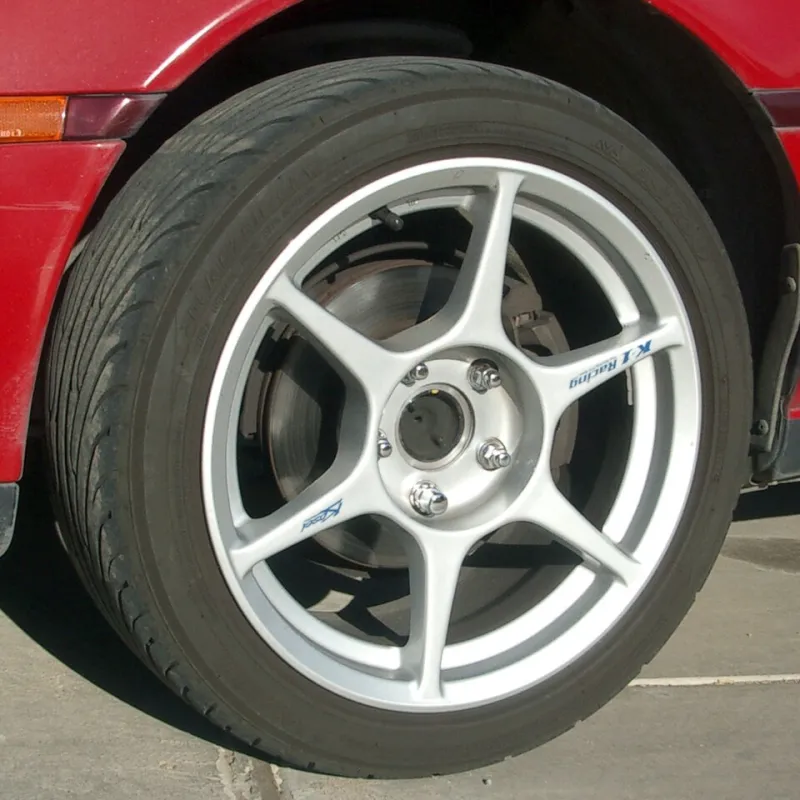
The more meaningful impact of weight reduction shows up in unsprung and rotational mass. Weight that your suspension has to control — wheels, tires, brake rotors, hubs — has a disproportionate effect on handling response and ride quality. A lighter wheel isn't just less weight; it's less inertia that your suspension has to manage over every bump and corner. That's why serious builders obsess over wheel and brake rotor weight before they start yanking carpet.
Rotational mass at the drivetrain level — flywheels, driveshafts, pulleys — also has an outsized effect on how the engine revs and responds. A lightweight flywheel on a track car makes the engine feel more alive. That same flywheel on a daily driver makes low-speed traffic feel like an endurance event.
Location matters too. Weight removed high in the car (roof, dashboard, upper door panels) lowers your center of gravity and improves dynamic handling. Weight removed low (floor mats, spare tire) has minimal effect on balance. This is why a roll cage, despite adding weight, can actually improve handling — the mass is distributed structurally in ways that stiffen the chassis and lower the effective CG.
What Sound Deadening Actually Does (And Why Removing It Is Complicated)
Factory sound deadening serves three distinct purposes: it reduces airborne noise from outside the cabin, it dampens vibration transmitted through the body panels, and it provides a thermal barrier between the interior and heat sources like the exhaust tunnel and floorpan.
Strip it all out and you get a car that sounds like a tin can rolling down a highway. That's fine for a dedicated track car that never leaves the circuit. For anything driven on public roads, the NVH (noise, vibration, harshness) penalty is significant enough to affect driver fatigue on longer runs — which is an actual performance consideration, not just a comfort one.
There's also a structural element that often gets overlooked. The butyl-based deadening mats used on most modern cars aren't just stuck to the floor for noise — they're part of how the body panels resist resonance and flex under load. Remove too much of it and certain panels can develop stress cracks over time, especially around weld seams and mounting points. It's not universal, but it's a real failure mode on cars that see serious track use after aggressive strip-outs.
The thermal argument is the one that surprises most people. On cars with hot exhaust routing near the floor, that insulation layer isn't optional — it's keeping your carpet from getting warm enough to be a fire hazard and protecting wiring harnesses that run along the transmission tunnel. Pull it and you may end up with heat soak issues that affect both comfort and component longevity.
The Weight Mods That Actually Move the Needle
If you're serious about going faster and not just lighter on paper, prioritize in this order:
Wheels first, always. Dropping 3–4 lbs per corner in unsprung rotating mass has a more noticeable effect on steering feel and suspension response than almost any interior strip job you can do. A quality set of forged wheels pays dividends in handling, acceleration, and braking.
Brake rotors and calipers. Two-piece rotors with aluminum hats cut significant rotating weight compared to stock cast iron units. This is especially impactful on heavier platforms where the factory brakes are sized for durability over performance.
Spare tire and jack. This one's legitimately easy. A foam tire inflation kit weighs a fraction of a full-size spare and jack. You lose roadside convenience; you gain 30–50 lbs depending on the vehicle. Reasonable trade-off for a track-focused build.
Lightweight battery relocation. Moving to a lithium battery (Braille, Antigravity, Deka) cuts 20–35 lbs off the nose of most cars and shifts weight distribution toward neutral. This is an underrated handling mod that most people overlook entirely.
Polycarbonate windows — carefully. Lexan side and rear windows are a legitimate weight reduction on dedicated track cars. They scratch easily, fog in cold weather, and aren't street-legal in many states for front-side applications. Know your local laws before you commit.
The Gimmicks You Can Skip
Carbon fiber hood badges. Titanium lug nuts on a 3,800-pound SUV. Drilling holes in non-structural brackets. These are the kinds of mods that look great in a build thread and do essentially nothing in the real world.
Perforated brake rotors are another one worth mentioning — they're often marketed as a weight-saving performance upgrade, but the actual mass difference is negligible and the perforation pattern can introduce stress risers that reduce rotor life under heavy use. Slotted rotors are generally the smarter choice for performance street driving.
Trunk-mounted battery setups that add 40 feet of heavy gauge wiring to "save" 10 lbs of weight by relocating a stock battery are often net-neutral or even net-negative. Do the math on what you're actually gaining before you run cable through your firewall.
Build for How You Actually Drive
The smartest weight reduction strategy starts with an honest conversation about what kind of driving you're actually doing. A dedicated HPDE car that never sees the street has a completely different calculus than a dual-purpose build that needs to commute on Monday and corner hard on Saturday.
For street-driven builds, focus your weight reduction on unsprung mass and rotational components, skip the full interior strip, and consider whether the NVH penalty of removing sound deadening is actually worth a claimed weight savings that might not even register in real-world performance.
For dedicated track builds, go further — but do it systematically. Remove weight from high in the car first, protect your thermal and structural components, and always verify that what you're removing isn't doing a job you haven't noticed yet.
Weight reduction is a tool, not a goal. Use it like one.