Bolt-On Gains That Actually Show Up on the Dyno: Ranking the Best Bang-for-Buck Power Upgrades
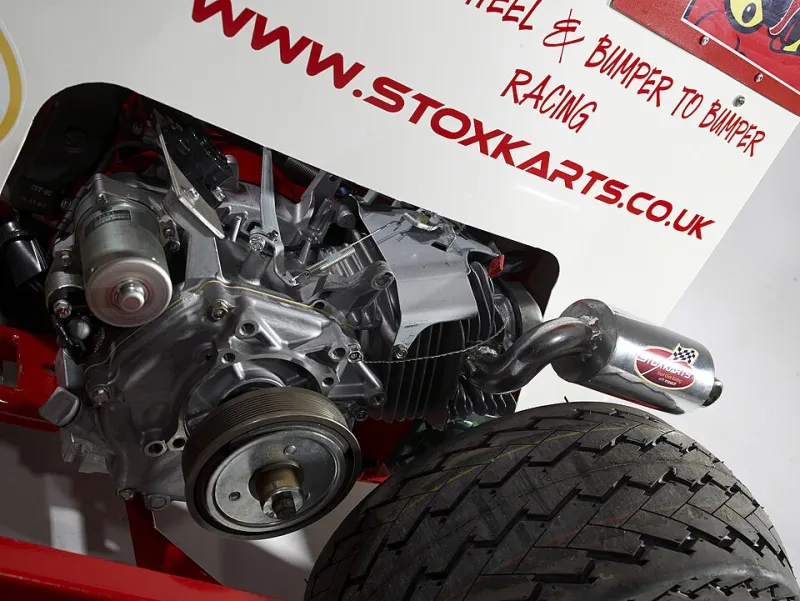
Photo: Higgi29, CC0, via Wikimedia Commons
Let's be honest — we've all seen the forums. Somebody slaps a chrome intake pipe on their stock Civic and posts that they "definitely felt 20 horsepower." Then someone else drops $800 on a cat-back exhaust and wonders why the dyno sheet looks basically the same as before. The aftermarket world is full of noise, and sorting the real performers from the hype machines takes more than YouTube comments.
We dug into actual dyno results, talked to tuners and shop owners across the country, and put together a no-fluff ranking of bolt-on modifications that genuinely move the needle — organized by return on investment. Whether you're working with $300 or $3,000, this guide tells you where to start.
What "Bolt-On" Actually Means (and Why It Matters)
A true bolt-on mod is anything that installs without cracking open the engine block. No new pistons, no head work, no machine shop visits. You're working with the engine you have and trying to help it breathe, flow, and fire more efficiently. The beauty of bolt-ons is that most enthusiasts can install them in a weekend with basic hand tools — and that saved labor cost is a big part of the ROI equation.
That said, bolt-on gains are still limited by the stock engine's ceiling. You're not going to turn a 180-horsepower four-cylinder into a 300-horsepower monster without touching internals. But you can absolutely squeeze 20, 30, even 50+ horsepower out of the right platform with the right combination of parts.
Tier 1: The Highest ROI Upgrades (Start Here)
ECU Tune / Flash Tune
If your vehicle supports it, a professional ECU tune is the single best dollar-per-horsepower modification available. On turbocharged platforms especially — think WRX, Focus ST, Mustang EcoBoost, or basically any modern boosted engine — a tune alone can add 30 to 60 wheel horsepower without touching a single physical component. On naturally aspirated engines, the gains are smaller but still meaningful: expect 8–15 whp from optimized fuel and ignition timing.
Cost range: $300–$700 for a remote or mail-order tune. Gains-per-dollar: nearly unbeatable.
One caveat — a tune works best when the supporting hardware (intake, exhaust, intercooler) is already in place. Think of it as the final multiplier, not always the first step.
Cold Air Intake
A properly designed cold air intake — one that actually pulls air from outside the engine bay rather than just relocating the factory box — consistently shows 5–15 whp on most platforms. The gains are bigger on boosted cars where the turbo benefits from denser, cooler air.
Cost range: $150–$400 depending on brand and vehicle. Brands like Mishimoto, AEM, and K&N have published dyno data across dozens of platforms, and the numbers hold up.
Here's the honest part: short ram intakes that stay inside the hot engine bay often show minimal gains. The "cold" part of cold air intake is the whole point.
Downpipe (Turbocharged Vehicles)
This one's specifically for the boosted crowd, but it earns its place at the top of the list. The factory downpipe on most turbocharged cars is a restriction nightmare — small diameter, packed with catalytic material, and designed around emissions compliance rather than flow. Swapping to an aftermarket 3-inch downpipe (catted or catless depending on your local emissions laws) regularly unlocks 20–40 whp, especially when paired with a tune.
Cost range: $200–$600. The gains-per-dollar ratio here is exceptional.
Tier 2: Solid Performers with Moderate ROI
Cat-Back Exhaust
Here's where things get controversial. A cat-back exhaust — everything from the catalytic converter back — sounds incredible and looks great, but the actual horsepower numbers are more modest than the price tag suggests. Expect 5–15 whp on most applications, with the higher end of that range reserved for high-revving naturally aspirated engines that really benefit from reduced back pressure.
Cost range: $400–$1,200. The ROI is decent but not exceptional. The bigger sell here is sound and aesthetics — and there's nothing wrong with that, as long as you go in with realistic expectations.
Intercooler Upgrade (Turbocharged)
For any boosted platform that sees heat soak — which is basically all of them after a few hard pulls — an upgraded front-mount or top-mount intercooler makes a real difference. Lower charge temps mean the ECU doesn't pull timing, and that translates to more consistent power across multiple runs. Dyno gains alone might look modest (5–15 whp), but the consistency improvement is where the real value lives.
Cost range: $300–$800 depending on platform.
Tier 3: Situational Wins
Headers (Naturally Aspirated)
On N/A engines, long-tube headers are one of the biggest bolt-on moves you can make. A set of quality long-tubes on a V8 like a 5.0 Mustang or LS-powered vehicle can add 20–35 whp, especially up in the RPM range where it counts on the track. The installation is more involved than most other bolt-ons — expect a few hours in the driveway or a shop visit — and you'll want a tune to go with them.
Cost range: $400–$900. Worth it on the right platform.
Throttle Body Upgrade
A larger throttle body shows up most on engines that are already breathing well through an upgraded intake and exhaust. On a stock setup, the gains are usually 3–8 whp — real, but not dramatic. On a modified setup where everything else is already opened up, that same upgrade can show 10–15 whp because you've removed the last bottleneck.
What to Skip (At Least for Now)
Some popular products just don't deliver the dyno results their marketing promises. Spacers behind the throttle body ("tornado" style), fuel line magnets, and most "performance chips" that plug into an OBD port and claim 35 horsepower have been tested repeatedly and consistently show zero measurable gain. Save that money for something in Tier 1.
Building a Smart Mod List
The most important concept in performance modding is synergy. Individual parts work better together than they do alone. A tune without supporting hardware leaves gains on the table. An exhaust without an intake leaves the engine still choked at one end. The best approach is to think in systems — intake, exhaust, tune as a package — and then build from there.
For most enthusiasts on a budget, the order looks like this: intake first, downpipe or headers second (depending on forced induction vs. N/A), then tune, then exhaust. After that, you're into supporting mods like intercoolers and fuel systems that maintain those gains under harder use.
The dyno doesn't lie. Spend where it counts, skip the gimmicks, and you'll be surprised how much performance is sitting in your current engine just waiting to get out.